
Ibn Hajar al-Asqalani
Foremost fifteenth-century scholar and final summation of hadith science.

Fouad GM · CC BY 2.0
Ibn Hajar al-Asqalani (full name: Abu al Fadl Ahmad ibn Ali ibn Muhammad al Kinani) was a classic Islamic scholar whose life work constitutes the final summation of the science of hadith. He was regarded as the foremost scholar of the fifteenth century across all fields of Islamic law.
- field
- Hadith, history, biography, exegesis, poetry, Shafi'i jurisprudence
- nationality
- Arab Kinani family, originally from Ascalon (Ashkelon, Palestine)
Lore & Background
Ibn Hajar was born into an Arab Kinani family in Cairo. His father, a Shafi'i scholar and poet, died in his infancy, and he and his sister became wards of Zaki ad-Din al-Kharrubi, who enrolled him in Qur'anic studies at age five. He memorized the entire Qur'an by age nine and progressed to memorizing texts on the foundations of fiqh. At age twelve, he accompanied his guardian to Mecca and was considered competent to lead Tarawih prayers. He had five daughters from her and one from a later wife, all of whom died during his lifetime. His only son, born to a slave woman of Tatar origin, was likely not qualified for scholarly positions. Ibn Hajar was of medium height, refined-looking, awe-inspiring, and energetic, with quick comprehension and strong memory. He was appointed Egyptian qadi (chief judge) several times and had a scholarly rivalry with the Hanafi scholar Badr al-Din al-Ayni.
Reader's Guide
Ibn Hajar al-Asqalani's significance lies in his comprehensive synthesis of hadith scholarship, culminating in his magnum opus, Fath al-Bari, a commentary on Sahih al-Bukhari that completed an unfinished work begun by Ibn Rajab. His al-Isabah fi tamyiz al Sahabah became the most comprehensive dictionary of the Companions of the Prophet. His legacy endures through his contributions to hadith terminology, biographical evaluation, and Shafi'i jurisprudence, and he is remembered by honorific epithets such as Hafiz al-Asr, Shaykh al-Islam, and Amir al-Mu'minin fi al-Hadith. His student al-Sakhawi documented his teacher's dissatisfaction with many works, but his influence remains foundational in Islamic scholarship.
Did You Know?
- Ibn Hajar memorized the entire Qur'an by the age of 9 and learned Surah Maryam in a single day.
- He drank Zamzam water in order to reach the level of adh-Dhahabi in memorization, which he succeeded in doing, matching him in expertise.
Scholarly Identity and Intellectual Lineage
Ibn Hajar al-Asqalani is identified in the historical record as a Hanbali hadith scholar, placing him firmly within one of the four major schools of Islamic jurisprudence. His scholarly training and intellectual formation are inextricably linked to the legacy of Ibn Qayyim al-Jawziyya, the prolific medieval Syrian Arab jurist, theologian, and spiritual writer who belonged to the same Hanbali tradition. According to the source material, Ibn Hajar al-Asqalani was either a direct student of Ibn al-Qayyim or was at least greatly influenced by his teacher's extensive body of doctrinal and literary works. This connection situates him within a rich chain of Hanbali scholarship that stretched from the foundational figures of the school through its most celebrated medieval thinkers. His identification as a hadith scholar specifically marks his particular area of expertise within the broader landscape of Islamic legal and theological study, distinguishing his scholarly focus from the more jurisprudential or spiritual orientations that characterized other members of the same intellectual community.
The Mamluk Period and Scholarly Networks
Ibn Hajar al-Asqalani emerged as one of the important Muslim scholars of the Mamluk period, an era that produced a remarkable concentration of Islamic intellectual activity across multiple legal schools and disciplines. The Mamluk scholarly landscape was characterized by cross-school engagement, as evidenced by the fact that Ibn al-Qayyim's circle of students and influenced scholars included figures from different madhabs: the Shafi'i historian Ibn Kathir (d. This diversity within a single intellectual orbit suggests that the Mamluk period fostered an environment where scholars of different jurisprudential backgrounds could engage with the same foundational texts and ideas. Ibn Hajar's position within this network, as a Hanbali hadith scholar connected to the legacy of one of the school's most important thinkers, reflects the depth and breadth of scholarly production during this era of Islamic history.
The Influence of Ibn al-Qayyim's Doctrinal and Literary Corpus
The intellectual inheritance that Ibn Hajar al-Asqalani received from Ibn al-Qayyim al-Jawziyya was substantial. Ibn al-Qayyim, regarded as one of the most important thinkers of the Hanbali school of Fiqh, produced what is described as a rich corpus of doctrinal and literary works spanning jurisprudence, theology, and spiritual writing. His students and influenced scholars drew upon this extensive body of material, which included works on spiritual commentary, legal theory, and theological argumentation. For a later scholar like Ibn Hajar al-Asqalani, engaging with this layered tradition meant encountering not just one voice but a chain of intellectual transmission stretching through multiple generations of Hanbali scholarship, each adding depth and nuance to the school's doctrinal framework.
Historical Position and Legacy
This temporal distance underscores the generational span of the scholarly tradition to which he belonged. His life and work occupied a position within a broader lineage of Mamluk-era Muslim scholarship that included figures such as the Shafi'i historian Ibn Kathir and the Hanbali hadith scholar Ibn Rajab, all of whom were connected to the intellectual legacy of Ibn al-Qayyim. As a Hanbali hadith scholar, Ibn Hajar contributed to the preservation and transmission of hadith literature within the Hanbali tradition, a field that remained central to Islamic legal and theological discourse throughout the medieval period. His place in the historical record, as named alongside these other significant scholars, confirms his standing as an important figure in the intellectual landscape of the late Mamluk period.
Gallery


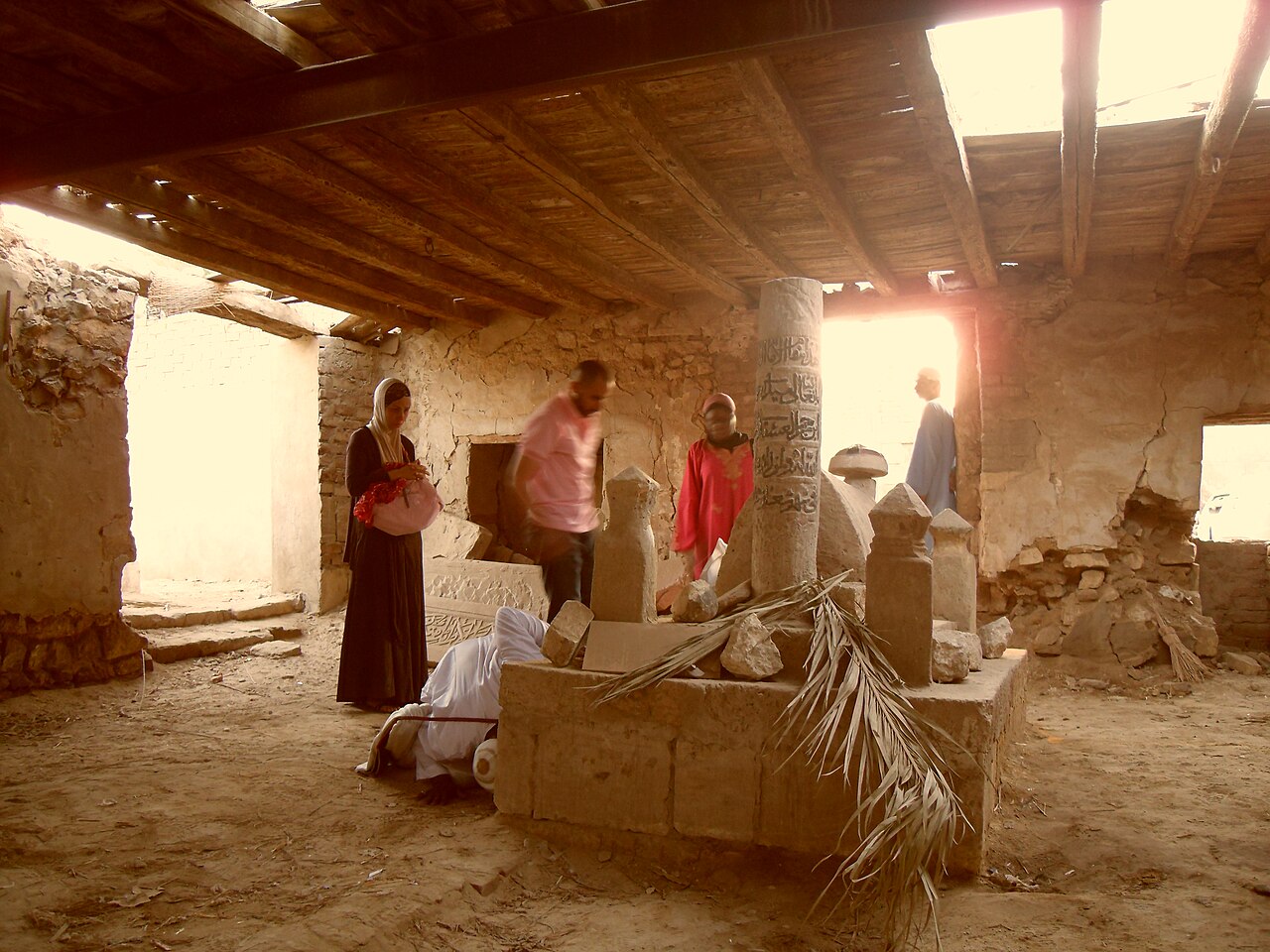
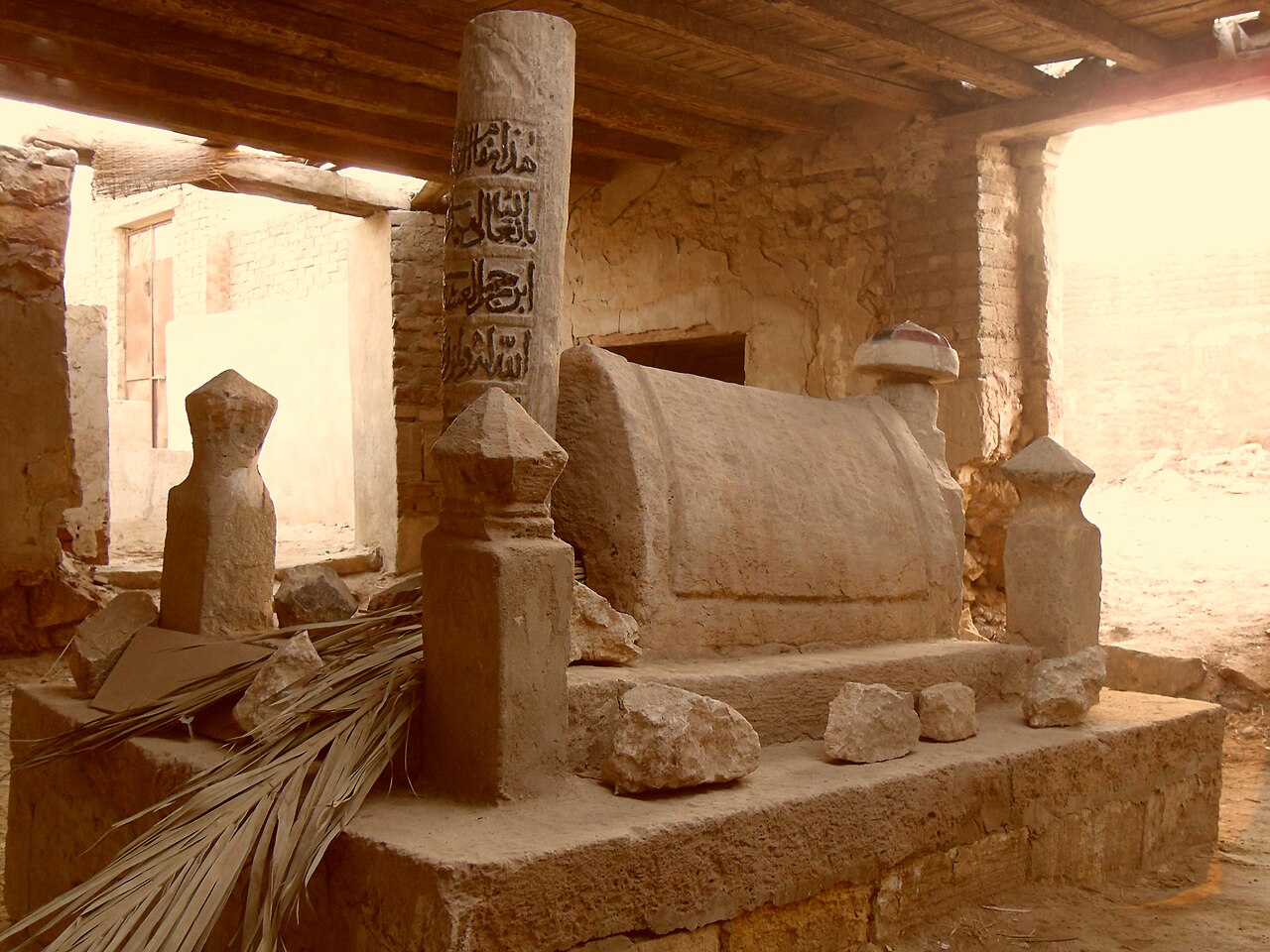
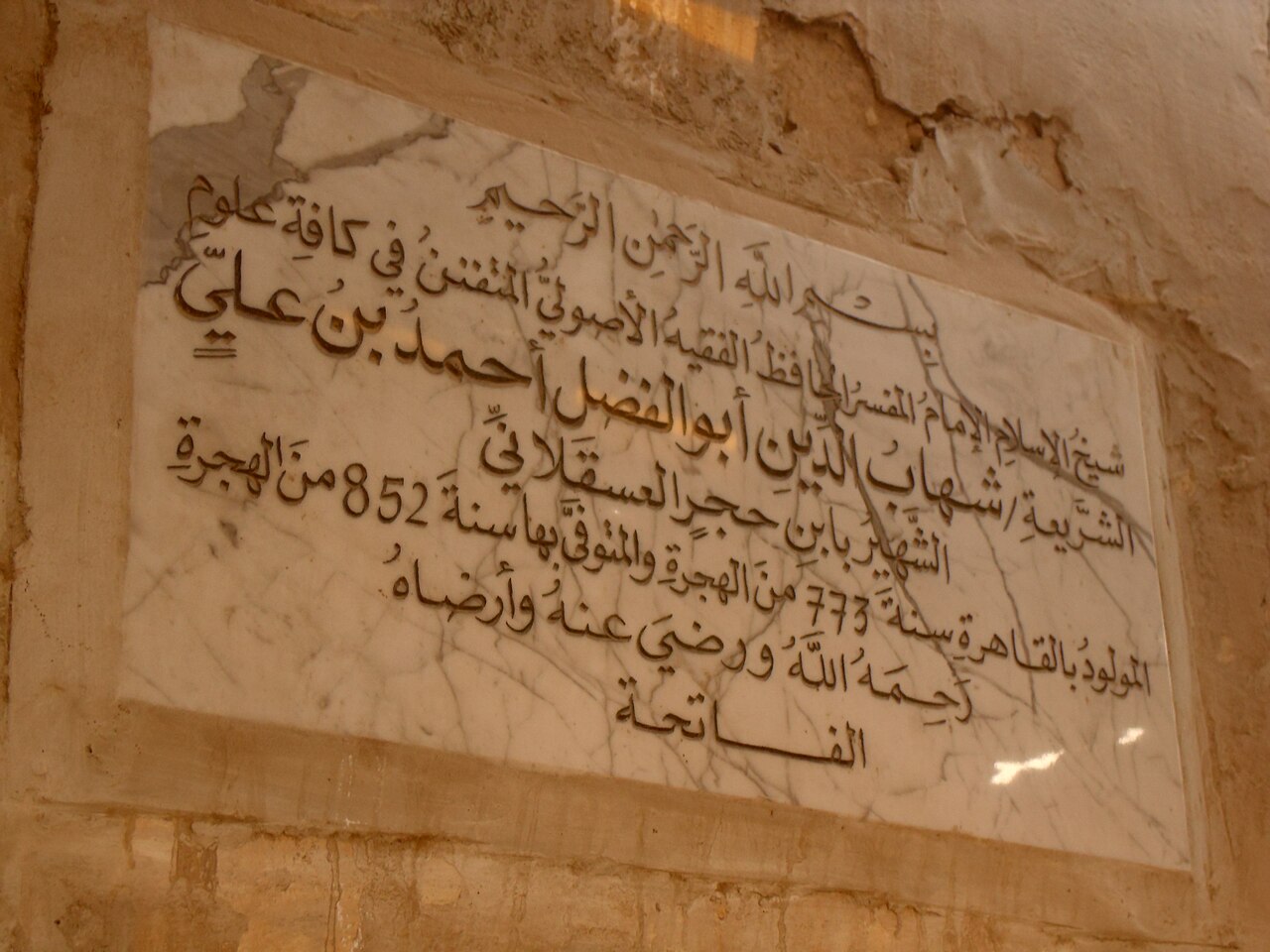
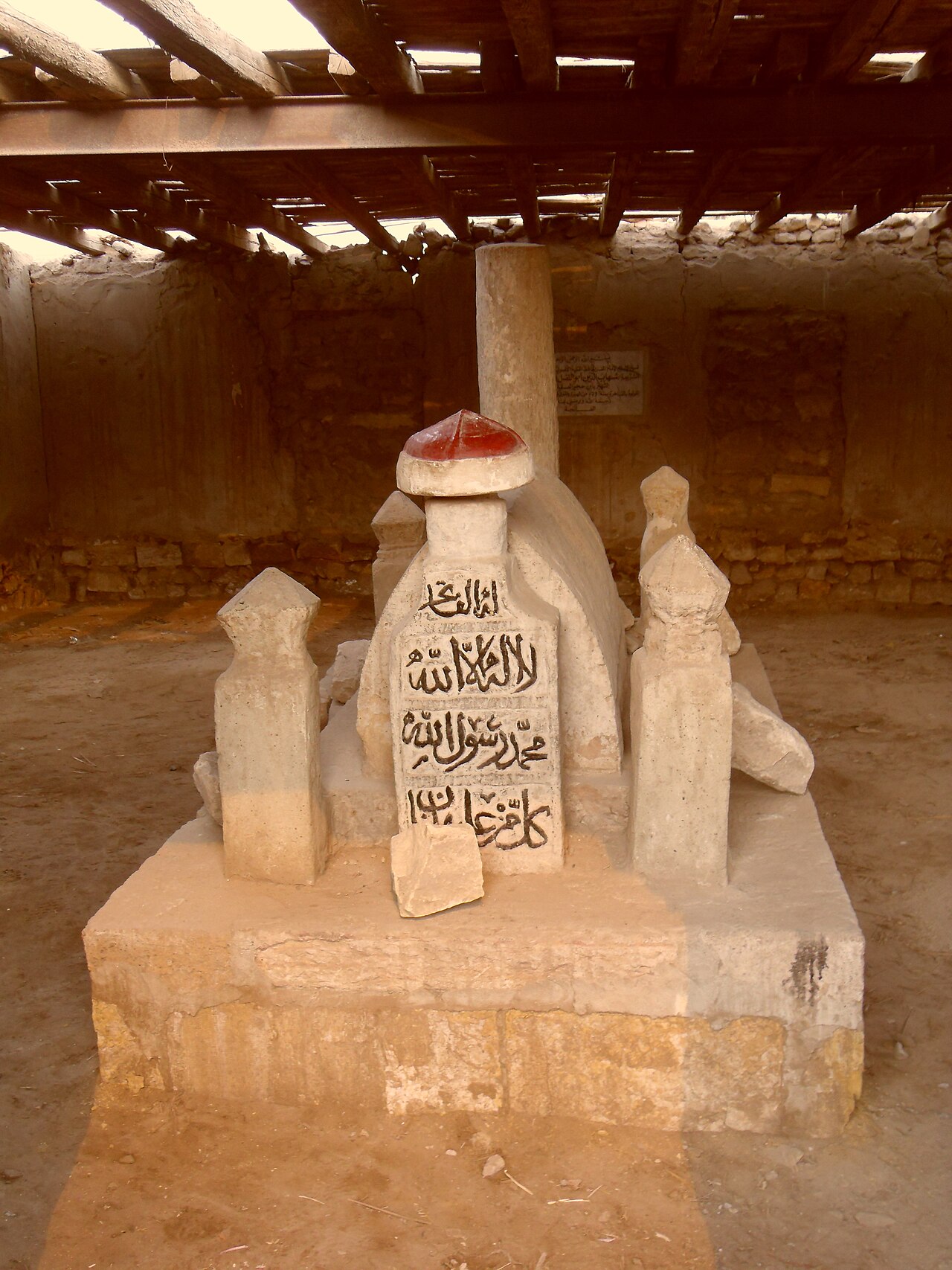
Frequently Asked Questions
Who is Ibn Hajar al-Asqalani?
He was a fifteenth-century Arab scholar of the Kinani family, originally traced to Ascalon in Palestine, widely regarded as the preeminent hadith master and jurist of his era. His lifetime of scholarship is often described as the capstone achievement in the entire science of hadith.
What is Fath al-Bari and why is it so famous?
Fath al-Bari is Ibn Hajar al-Asqalani's monumental commentary on Sahih al-Bukhari and stands as his single most celebrated work. It is treated as the gold-standard reference for understanding and contextualizing al-Bukhari's hadith collection.
Why do scholars call Ibn Hajar al-Asqalani the 'final summation' of hadith science?
His encyclopedic output gathered together and systematized the full arc of hadith scholarship that had developed over the preceding centuries. Because of the breadth and depth of his writings, later scholars often treated his work as the definitive endpoint of classical hadith studies.
More in Islamic Scholars & Mystics 1-23
Spotted an error? Know more?
This is a living reference — every entry is fact-audited, and reader corrections feed straight into our audit queue. Suggest an edit · See this site's audit record