
Ibn Qayyim al-Jawziyya
Hanbali jurist, theologian, and spiritual writer.

Threethalatha · CC0
His prolific corpus of doctrinal and literary works influenced many later scholars, including Ibn Kathir, Ibn Rajab, and Ibn Hajar al-Asqalani.
- field
- Islamic jurisprudence, theology, spirituality
- nationality
- Syrian Arab
- known_for
- Foremost disciple of Ibn Taymiyya; prolific Hanbali scholar; criticized certain Sufi practices; works on jurisprudence, mysticism, and refutation of astrology
Lore & Background
Ibn al-Qayyim was born in Damascus to a father who was principal (qayyim) of the Jawziyyah Madrasah, a Hanbali law college. He also studied under his father, Ibn 'Abd ad-Da'im, Shams ad-Dīn adh-Dhahabī, and Safi ad-Din al-Hindi. The campaign for his imprisonment was led by Shafi'i and Maliki scholars, joined by Hanbali and Hanafi judges. While in prison, he busied himself with the Qur'an, experiencing mystical states described as dhawq and mawjud.
Reader's Guide
Ibn al-Qayyim's significance lies in his role as a major Hanbali thinker and his influence on later Sunni scholarship. His works, such as Madārij al-sālikīn and al-Wābil al-Ṣayyib, address Sufi themes and the interior dimension of Islam, showing his interest in mysticism despite modern characterizations of him as an enemy of Sufism. He supported broad powers for the state and prosecution, arguing that testimony could be beaten out of disreputable suspects, a departure from earlier Islamic jurisprudence that had forbidden torture. He formulated evidential theories that reduced reliance on oral testimony, such as establishing paternity by facial similarity and determining impotence by boiling semen. He opposed astrology and alchemy, using empirical arguments to refute them. In the present day, his name is controversial due to his popularity among Salafists, who see his criticisms of saint veneration and grave visitation as a classical precursor to their views.
Did You Know?
- While in prison, he experienced mystical states (dhawq and mawjud) from delving into the Qur'an.
- He wrote a lengthy spiritual commentary on a treatise by the Hanbali Sufi Khwaja Abdullah Ansari, calling Ansari 'Sheikh al-Islam'.
- He argued that a child's paternity could be established by experts scrutinizing facial similarities between the child and alleged father.
Origins and Intellectual Formation
That setting of legal study and public service shaped the young man's trajectory from an early age. His intellectual formation was deeply rooted in the Hanbali tradition, yet he drew from a wide circle of mentors beyond his father, including Ibn 'Abd ad-Da'im, the celebrated historian Shams ad-Din adh-Dhahabi, and Safi ad-Din al-Hindi. That prolonged apprenticeship left an indelible mark: Ibn al-Qayyim absorbed many of Ibn Taymiyya's doctrinal positions while developing a notably less confrontational manner toward rival scholars. The result was a prolific body of doctrinal and literary work that placed him among the most significant thinkers of the Hanbali school.
Imprisonment and the Inner Life
Sharing the cells of the Citadel of Damascus alongside his master Ibn Taymiyya, he was targeted by a coalition of Shafi'i and Maliki scholars — backed by Hanbali and Hanafi judges — over two flashpoints: a sermon he had delivered in Jerusalem condemning the visitation of graves, including the Prophet's own in Medina, and his alignment with Ibn Taymiyya's minority position on divorce, which clashed with the prevailing view in Damascus. Yet the confinement proved spiritually transformative. Devoting himself to intensive engagement with the Qur'an, Ibn al-Qayyim reported a series of profound mystical experiences — what he described as direct tasting of divine mysteries and ecstatic encounters with the Divine Reality. This inner fire fed his later spiritual writing, most notably his extensive commentary on the Hanbali Sufi Khwaja Abdullah Ansari's treatise Madarij al-Salikin. In that work he addressed Ansari with the honorific "Sheikh al-Islam" while simultaneously declaring, "I love the Sheikh, but I love the truth more," a line that captures his commitment to doctrinal fidelity even within a Sufi framework.
Jurisprudence and the Limits of Authority
Ibn al-Qayyim's legal thought was marked by a willingness to grant the state considerable latitude in matters of prosecution and public order. He argued that punishing a person of lowly status who made false allegations against someone more respectable was often justified. More strikingly, he developed evidential frameworks that reduced a judge's dependence on oral testimony: establishing paternity through expert comparison of facial features between a child and an alleged father, or resolving disputes over a husband's impotence by examining whether a boiled sample of his ejaculate left a white residue — the only indicator, in his view, of genuine semen. On the question of interrogation, he broke sharply with the mainstream. Where most Islamic jurists held that an accused person was entitled to silence, Ibn al-Qayyim maintained that testimony could be extracted through physical force from suspects he classified as "disreputable," arguing that the Prophet and the early caliphs would have endorsed such a practice. In the realm of natural philosophy, he rejected alchemy, divination, and especially astrology, viewing the latter as an arrogant presumption that human fate was governed by celestial bodies rather than by divine wisdom.
Legacy, Students, and Modern Controversy
Ibn al-Qayyim's influence radiated far beyond his own lifetime. Among the most prominent Muslim scholars of the Mamluk era, several counted him as a direct teacher or acknowledged his profound intellectual imprint: the Shafi'i historian Ibn Kathir (d. Within Sunni tradition he is reverentially styled al-Imam Ibn al-Qayyim, and his standing as one of the foremost thinkers of the Hanbali school remains secure. In the modern period, however, his name has become a flashpoint. Salafi adherents regard his medieval critiques of Sufi practices — particularly the veneration of saints, their graves, and relics — as a classical forerunner of their own theological stance, a reading that has made his legacy a source of ongoing debate within the broader Islamic world.
Gallery



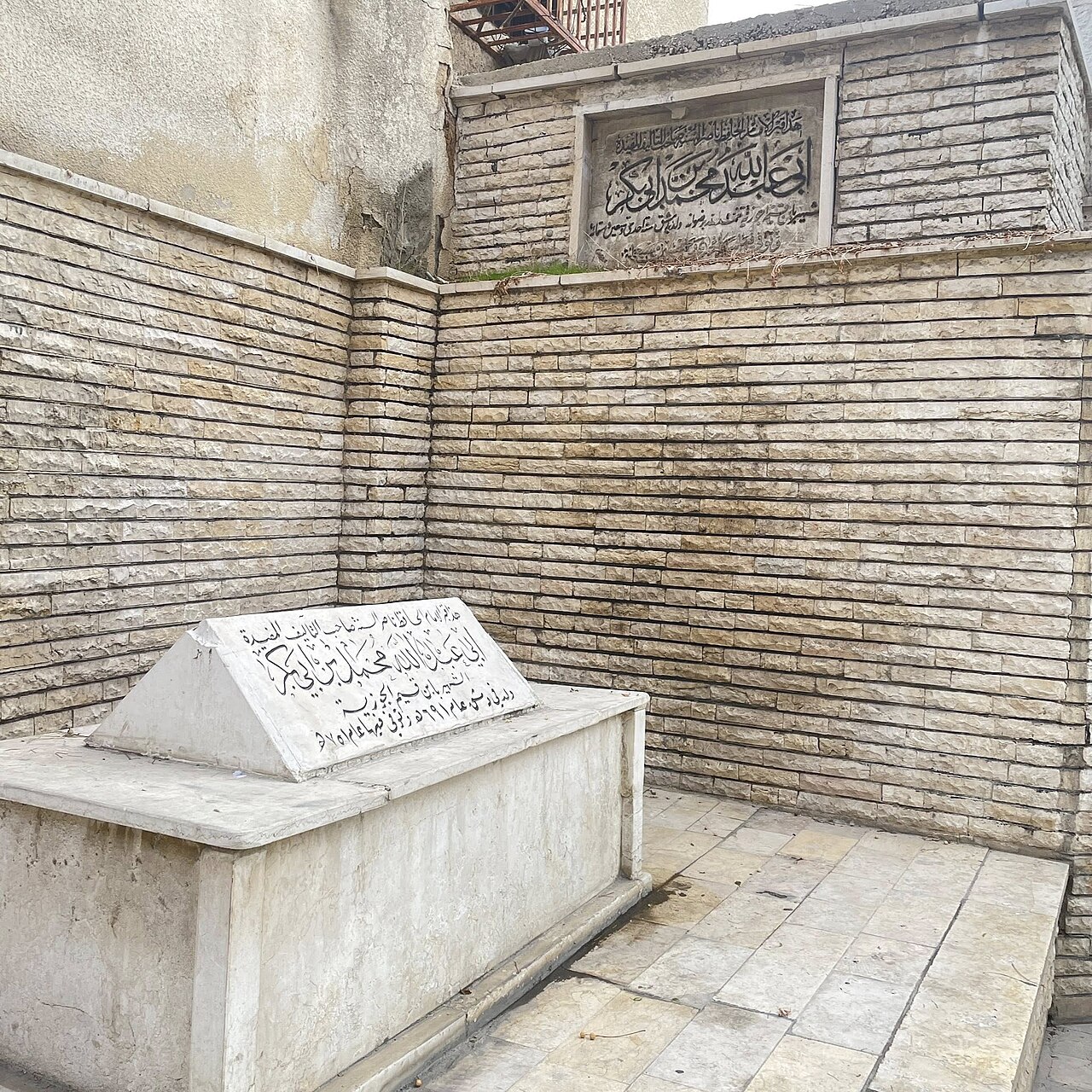


Frequently Asked Questions
Who is Ibn Qayyim al-Jawziyya?
He was a 14th-century Syrian Arab scholar who worked across law, theology, and spiritual writing within the Hanbali tradition. He is most widely remembered as Ibn Taymiyya's closest and most dedicated student.
What did Ibn Qayyim al-Jawziyya write about?
His output spans jurisprudence, creedal theology, spiritual guidance, and polemics against practices such as astrology. He is also noted for his critical examination of certain Sufi rituals and popular devotional customs.
Why is Ibn Qayyim al-Jawziyya considered important in Islamic scholarship?
His extensive body of writings shaped subsequent Hanbali thought and reached later figures such as Ibn Kathir, Ibn Rajab, and Ibn Hajar al-Asqalani. He remains a go-to reference for anyone studying medieval Islamic law, theology, and inner spirituality.
More in Islamic Scholars & Mystics 1-23
Spotted an error? Know more?
This is a living reference — every entry is fact-audited, and reader corrections feed straight into our audit queue. Suggest an edit · See this site's audit record